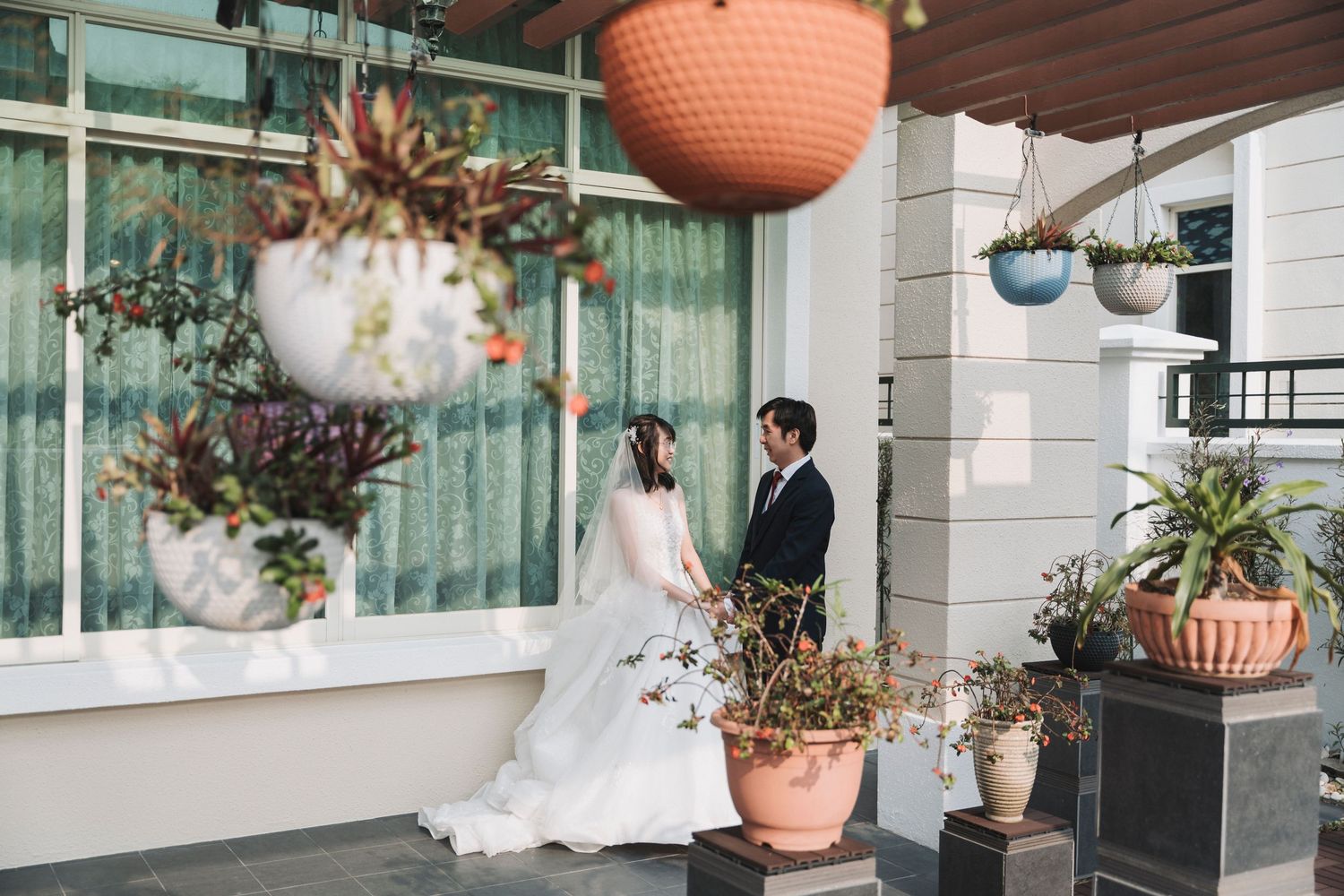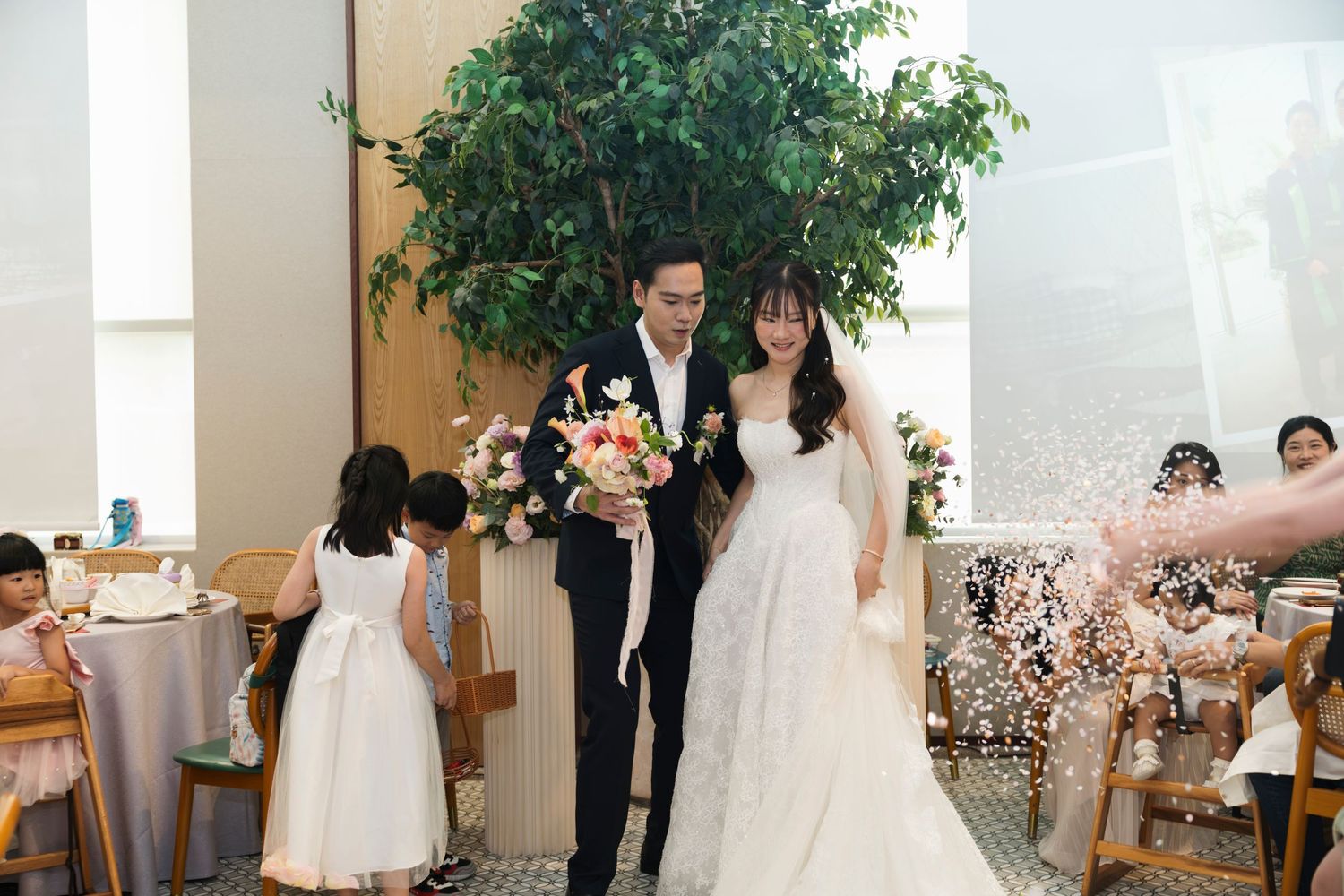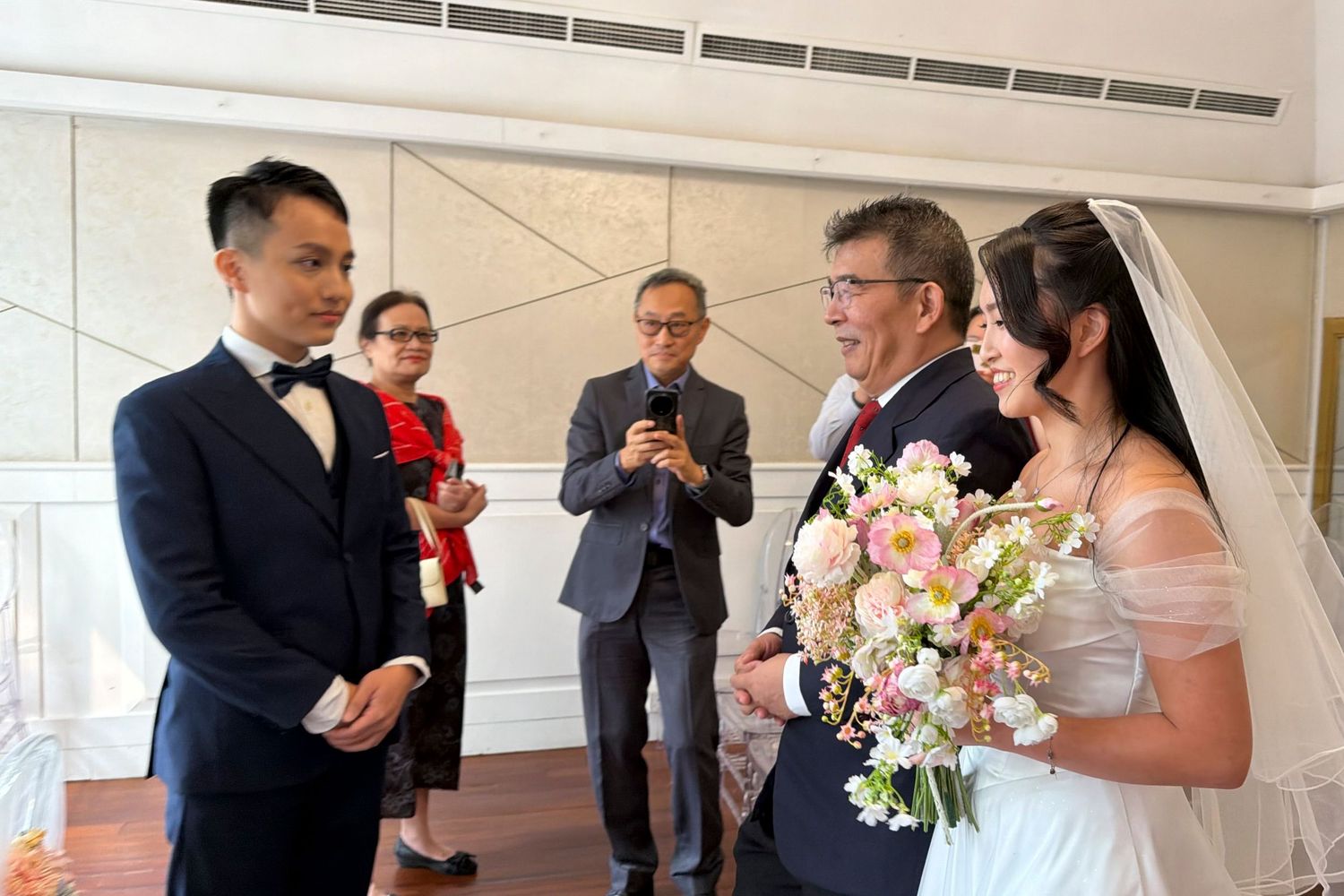
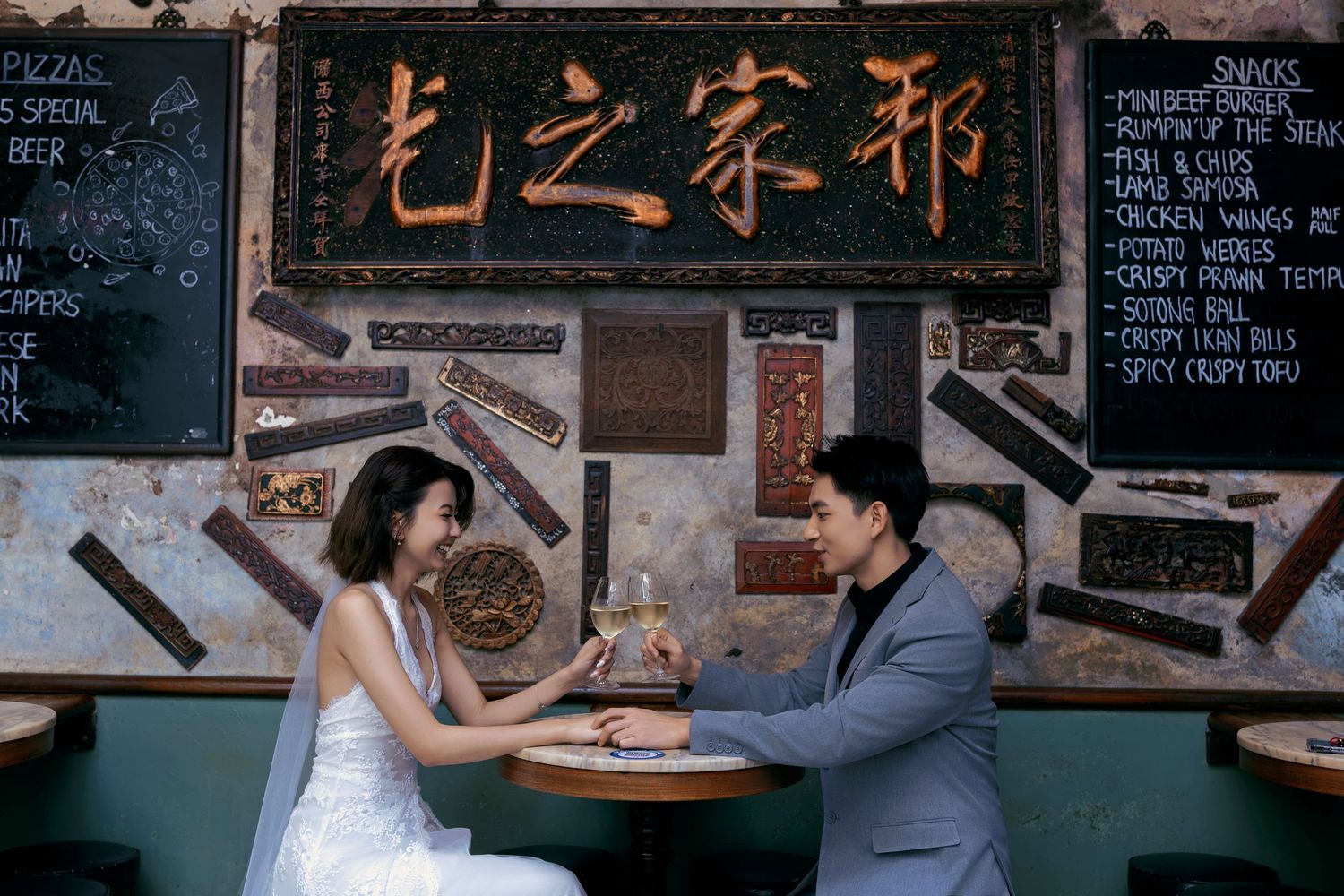
Ask two couples what they want from their wedding photos and you'll often get opposite answers. One wants natural, unscripted moments they barely noticed being taken. The other wants beautiful, deliberate portraits they'll frame on the wall. Both are valid — they're just two different styles: documentary and posed.
Understanding the difference helps you choose a photographer whose work actually matches how you want to remember your day. This guide breaks down both approaches, their pros and cons, and how to decide. If you already have a feel for your style, message us on WhatsApp and we'll show you work that fits.
What is documentary (candid) wedding photography?
Documentary photography — also called candid or photojournalistic — captures your day as it naturally unfolds, with minimal direction. The photographer stays observant but unobtrusive, watching for real reactions: the nervous laugh before the vows, a parent wiping away a tear, friends mid-dance.
The goal isn't a perfect pose. It's an honest record of how the day actually felt.
Strengths: emotion, spontaneity, and authenticity. These are the images that transport you back to the moment years later. Best for: couples who feel awkward posing, and anyone who values real moments over staged perfection.
What is posed (traditional / editorial) wedd ing photography?
Posed photography is deliberate. The photographer directs you — where to stand, how to hold each other, where to look — to craft polished, intentional images. At its most refined, this becomes editorial or fine-art photography: magazine-style portraits with strong composition and controlled light.
Strengths: flawless, frame-worthy portraits, flattering angles, and guaranteed "hero" shots — the formal family photos, the couple portraits, the images you'll print large. Best for: couples who want classic, timeless portraits and don't mind taking direction.
The 2026 shift toward candid
Across Singapore, the clear direction for 2026 is toward authentic, unposed photography. Couples are moving away from stiff, formulaic shots toward documentary-style storytelling that captures genuine emotion — real laughter, real tears, the unplanned in-between moments.
That said, "candid" doesn't mean "no portraits." It means the balance has shifted toward real moments, with posed portraits still playing an important role.
How we approach it
Our work is rooted in simplicity and intent — natural moments, clean composition, and stories told with purpose. We don't chase every trend or over-direct a day that's already full of feeling.
Connection and communication guide every session. When you feel at ease with the person holding the camera, genuine moments unfold on their own — and that's when the best frames happen. It's why we spend time talking with couples before we ever start shooting.
You can see how that balance looks in practice across our pre-wedding gallery and actual day gallery.
Pros and cons at a glance
Documentary
✅ Emotional, authentic, tells the full story of the day
✅ Relaxed — you barely notice the camera
⚠️ Fewer perfectly-composed "wall portraits" unless paired with posed segments
Posed
✅ Polished, flattering, guaranteed formal shots
✅ Great for family group photos and hero portraits
⚠️ Can feel stiff if overdone, and takes time away from the celebration
Why most couples want a blend
Here's the honest answer most photographers will give you: you rarely want only one. The best wedding galleries usually combine both — candid coverage throughout the day for emotion and story, plus a focused block of posed portraits for the timeless, framed shots.
A skilled photographer reads the day: documenting quietly during the gatecrash, tea ceremony, and banquet, then stepping in to direct during couple portraits and family groupings. The mix is what gives you a gallery that's both real and beautiful.
How to decide which suits you
Ask yourself:
- How do you feel in front of a camera? If posing makes you self-conscious, lean documentary. If you enjoy direction, more posed works well.
- What will you do with the photos? Want large framed portraits and formal family shots? You'll need a posed component. Want to relive the day? Prioritise documentary coverage.
- What matters most — the story or the portraits? Most couples want both; the question is the ratio.
How to spot each style in a portfolio
When reviewing a photographer's work, look closely:
- Documentary galleries show movement, expression, and unposed moments — people laughing, reacting, unaware of the camera.
- Posed / editorial galleries show clean composition, deliberate posing, and controlled light.
Ask to see a full wedding gallery, not just highlights, so you can judge how a photographer balances both across a real day. (For more, see our guide on how to choose a wedding photographer in Singapore.)
Frequently asked questions
Is documentary or posed wedding photography better?
=> Neither is universally better — it depends on how you want to remember your day. Most couples choose a blend: candid coverage for emotion, plus posed portraits for timeless shots.
Does candid photography mean no posed photos at all?
=> No. It means the emphasis is on real moments, but a good photographer still includes posed couple and family portraits.
Which style is more popular in Singapore right now?
=>The 2026 trend leans strongly toward authentic, documentary-style coverage — but posed portraits remain an important part of most packages.
How do I know a photographer can do both well?
=> Review a complete wedding gallery. It should show both genuine candid moments and clean, well-composed portraits across the same day.
Not sure which style fits you?
Tell us how you feel about being in front of the camera, and we'll show you work that matches. Message us on WhatsApp